
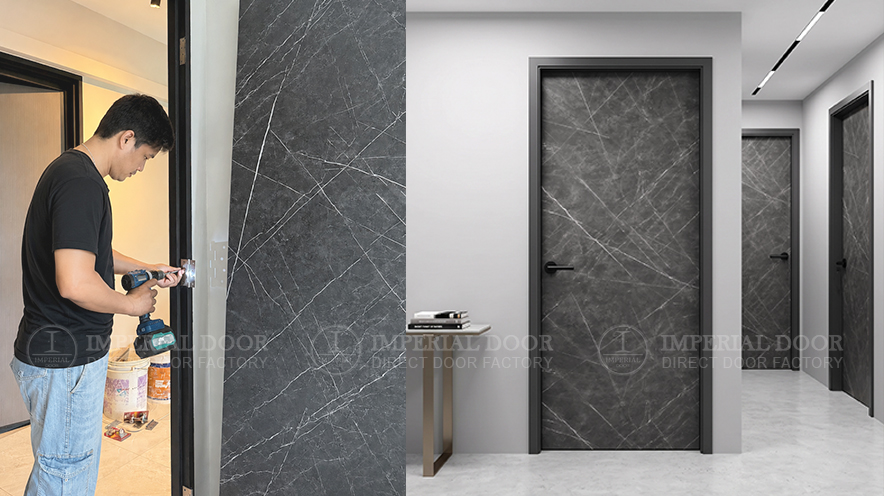
A bedroom door does far more than act as a simple barrier. It shapes the atmosphere of the room, offering peace, privacy, and separation from noise. It also contributes to the overall appearance of the space. A good door blocks sound, divides areas, retains warmth, and guides how you move through your home. It supports safety, manages airflow, and keeps out unwanted sounds. A quality door opens smoothly, closes gently, and operates without dragging or creaking.
Choose the Right Material
Wood Offers Warmth and Weight
Solid wood doors ground a room and absorb sound, giving the space a complete and enduring feel. Although more expensive, they reward you with rich texture and lasting durability. Their surface catches light beautifully, feels strong, and contributes to a calm, welcoming atmosphere.
Hollow-Core Doors Keep Things Light
Hollow-core doors are cost-effective, easy to swing, and ideal in homes with many rooms. They don’t block much sound and feel lighter when knocked, but they are a practical choice when budget is the priority.
Laminate Doors Add Style and Strength
Laminate doors coat the core with a durable layer that resists scratches and stays smooth for years. They come in designs resembling wood, stone, or bold colours, and are easy to clean, making them a great fit for busy homes.
Think About the Way the Door Opens
Hinged Doors Provide a Classic Swing
Hinged doors pivot on one side and open inward or outward, providing a wide, comfortable entry. Ensure there’s enough space for the door to swing freely and avoid placing furniture in its path.
Sliding Doors Save Room
Sliding doors move sideways along tracks, making them excellent for compact rooms. They can slide into a cavity wall or along the wall, giving a clean, minimalist look.
Folding Doors Tuck Neatly
Folding doors bend as they open, making them ideal for wardrobes or narrow areas. They rely on smooth, clean tracks — dirt build-up can affect movement, so regular cleaning is essential.
Pay Attention to the Finish
Painted Doors Add Colour
Paint gives a door a fresh look. You can blend it with the walls or make it a standout feature. Matt finishes soften imperfections, while gloss reflects light and wipes clean easily.
Veneered Doors Maintain the Wood Look
A veneer is a thin layer of real wood applied over a solid core. It provides the warmth and grain of natural timber at a lower cost. Veneered doors feel smooth and refined, balancing style with value.
Laminated Doors Resist Wear
Laminate provides excellent protection against dents, scratches, and everyday wear — ideal for homes with pets or children. With numerous colours and designs available, it’s easy to match any decor.
Match the Door to the Room
Keep Noise Out
For quiet bedrooms, choose solid-core doors. They muffle voices, footsteps, and general household noise, helping bedrooms feel calm and separate from the rest of the house.
Choose a Suitable Colour
Soft shades such as light grey, pale brown, or creamy white promote calmness. Brighter colours can refresh the room. Matching the door with the floor or walls helps create a cohesive look.
Handle Size and Shape Matter
Handles are used daily, so comfort is key. Round knobs feel compact, while lever handles provide a firmer grip. Choose a shape that suits both your hand and your interior style.
Consider Door Height and Width
Standard Sizes Work for Most Rooms
Most homes use common door sizes, but always be sure to measure carefully. A door that’s too tight may scrape the floor, while one that’s too loose can swing freely and bump into things. Proper sizing ensures smooth operation.
Wider Doors Improve Access
Wider doors are beneficial for older people, wheelchair users, or anyone needing easier access. A few extra inches can make a noticeable difference.
Install With Care
Use Quality Hinges
Hinges support the door’s weight. Weak ones can squeak or sag. Use strong, well-fitted hinges — tall doors typically need three, while smaller ones require two.
Seal the Gaps
Gaps allow cold air and noise to pass through. A snug frame and proper sealing help maintain warmth, keep out insects, and prevent rattling.
Keep It Level
A door that leans may scrape the floor or swing open on its own. Proper alignment ensures it opens and closes smoothly, with even gaps along the edges.
Style Makes a Difference
Patterns and Grains Matter
Flat doors suit modern spaces, while raised panels feel classic. Visible grain brings depth, and smooth finishes look clean and minimal. Choose a style that complements your room.
Glass Panels Let Light In
Frosted or textured glass maintains privacy while allowing light to filter through — ideal for darker rooms or spaces that need a brighter feel.
Carved Details Creates Impact
Grooves, lines, or carved patterns add interest and break up plain surfaces. Subtle designs keep things understated, while bold details make a statement.
Conclusion
A bedroom door is more than panels and paint — it brings privacy, reduces noise, and enhances rest. Take your time choosing the right one. Feel the material, observe how it moves, and listen to how it closes. Select a door that suits your space, supports your comfort, and lasts for years. Choosing the right bedroom door in Singapore can truly transform how a room feels.