
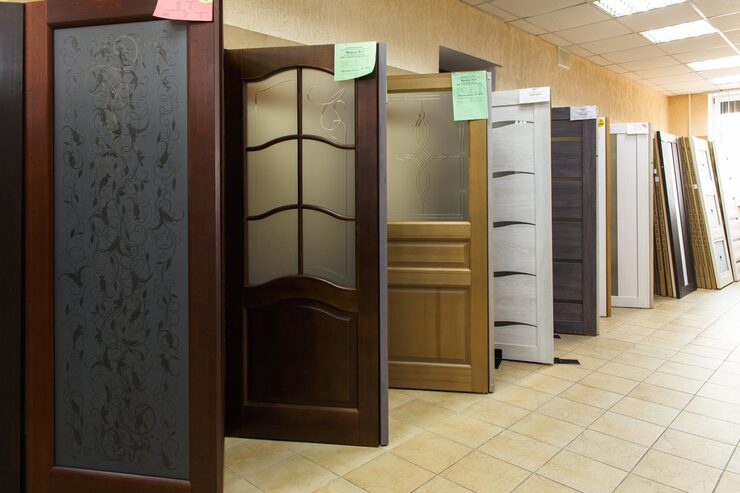
Choosing a new door may seem straightforward, but the final cost can vary significantly depending on the material, size, design, safety features, and installation requirements. A door influences your home’s security, privacy, noise control, fire safety, and overall appearance. Understanding the pricing structure before placing an order helps you avoid unnecessary costs and choose a door that suits your needs.
When comparing door factory prices in Singapore, homeowners often discover that similar-looking doors come with very different quotations. One supplier may quote only for the door panel, while another includes the frame, hardware, delivery, and installation. Custom sizes, fire-rated construction, acoustic features, and premium finishes can also increase the overall cost.
Careful planning helps reduce delays, prevents costly mistakes, and makes it easier to compare quotations accurately.
What Determines Door Prices?
A door does not have a fixed market price. Its overall cost depends on several factors, and understanding these makes it easier to compare quotations fairly.
Door Material
The material is one of the biggest factors affecting the total cost because it influences strength, appearance, weight, maintenance, and lifespan. Laminate doors are generally among the most affordable options. Engineered timber sits in the mid-range, while solid timber is usually more expensive. Aluminium and glass doors require specialist framing, glazing, and hardware, which also increase costs.
When comparing products from a door factory in Singapore, ask for the exact specifications. Descriptions such as “wooden door” or “premium door” provide very little information. Two doors may appear similar but differ greatly in their core material, surface finish, durability, and expected lifespan.
Door Size
Standard-sized doors are usually more affordable because manufacturers can produce them efficiently and often keep them in stock. Custom-sized doors require precise site measurements, production adjustments, and additional labour.
Wider or taller doors also require more materials and may need reinforced frames, stronger hinges, or specialised installation. As a result, oversized entrance doors generally cost more than standard internal doors.
Door Type and Purpose
Different doors are designed for different functions. Bedroom doors mainly provide privacy, basic sound insulation, and visual appeal. Main entrance doors require greater security, structural strength, and, in some cases, improved weather resistance.
For this reason, bedroom door prices are generally lower than main entrance door prices in Singapore. Bathroom doors often require moisture-resistant finishes, while balcony doors need materials that can withstand humidity and outdoor exposure.
Fire Rating
Fire-rated doors are specially designed to slow the spread of fire and smoke for a specified period. They use certified cores, approved components, and carefully controlled manufacturing processes. Their higher cost reflects the additional materials, testing, and certification required.
Always request the relevant certification and confirm that the complete door set—including the frame, seals, and hardware—meets the required fire safety standard.
Soundproofing
A standard door reduces some noise, but it does not provide the same level of acoustic performance as a purpose-built soundproof door. Effective sound insulation may require a dense core, perimeter seals, drop seals, and precise installation.
These additional features increase the cost but can significantly improve comfort in bedrooms, home offices, music rooms, or homes located near busy roads.
Water and Weather Resistance
Doors exposed to moisture require greater protection than standard internal doors. Treated timber, waterproof finishes, aluminium frames, and corrosion-resistant hardware all contribute to higher costs.
A low-cost untreated door may eventually swell, warp, or peel, resulting in higher repair or replacement costs over time.
Average Door Prices in Singapore
The figures below provide a general pricing guide. Actual quotations depend on dimensions, finishes, hardware, installation requirements, and the supplier.
Door Type | Basic Price | Mid-Range Price | Premium Price |
Standard laminate door | $150–$250 | $250–$400 | $400–$600 |
Solid wood door | $300–$500 | $500–$900 | $900–$1,500 |
Bedroom door | $100–$200 | $200–$350 | $350–$550 |
Main entrance door | $400–$700 | $700–$1,200 | $1,200–$2,000 |
Fire-rated door | $500–$900 | $900–$1,500 | $1,500–$2,500 |
Aluminium and glass door | $400–$800 | $800–$1,400 | $1,400–$2,200 |
Custom-designed door | $600–$1,200 | $1,200–$2,000 | $2,000 and above |
These prices may exclude delivery, locks, handles, installation, frame replacement, removal of the existing door, and additional carpentry work. Always request an itemised quotation so you can compare the total project cost rather than the door panel price alone.
Door Prices by Material
Laminate Doors
Laminate doors are popular because they offer a wide range of colours and timber-look finishes at a relatively affordable price. A decorative laminate surface is bonded to an engineered core, creating a durable and consistent finish that is easy to maintain.
They are well suited to bedrooms, storerooms, rental properties, and budget-conscious renovations. However, quality varies between manufacturers. Lower-grade laminate may chip or peel, particularly in damp environments, whereas a well-manufactured door with properly sealed edges is likely to provide a longer service life.
Engineered Timber Doors
Engineered timber doors are manufactured using bonded layers of wood or wood-based materials. This construction improves stability and helps minimise warping caused by changes in temperature and humidity.
They provide a warmer and more natural appearance than basic laminate while remaining more affordable than premium solid timber. In many door cost guide, engineered timber sits within the mid-range price category. Costs vary according to the veneer, core material, thickness, and surface finish.
Solid Timber Doors
Solid timber doors are valued for their natural grain, substantial feel, and timeless appearance. Teak, meranti, oak, and other hardwoods create an elegant, premium finish that enhances the character of a home.
These doors can often be sanded, stained, and refinished, extending their decorative lifespan. However, they are generally more expensive, heavier, and require regular maintenance. As timber naturally reacts to humidity, proper seasoning, construction, and sealing are essential for long-term durability.
Aluminium Doors
Aluminium doors are lightweight, durable, and naturally resistant to rust and corrosion. They are commonly used in kitchens, bathrooms, balconies, and contemporary interiors where moisture resistance is important.
Aluminium frames are frequently combined with glass to create a clean, modern appearance. Although they usually cost more than standard laminate doors, they offer excellent long-term value because they require minimal maintenance and will not rot.
Glass Doors
Glass doors allow natural light to pass between rooms, making smaller spaces feel brighter and more spacious. They are commonly installed in kitchens, studies, home offices, balconies, and modern entrance areas.
Tempered safety glass is generally used for durability and protection. Frosted, tinted, fluted, or textured glass provides greater privacy while still allowing light through. Prices vary depending on the glass thickness, dimensions, finish, framing system, and whether sliding, folding, or frameless hardware is required.
Fire-Rated Door Cores
Fire-rated doors use specialist mineral-based or composite cores that are tested to resist the spread of fire and smoke for a specified period. The core, facing, frame, seals, and hardware must work together as a complete certified door system.
Their price reflects more than the raw materials alone. It also covers controlled manufacturing, testing, certification, and compliance with recognised fire safety standards. Where fire-rated doors are required, choosing a properly certified product is essential.
Door Prices by Property Type
HDB Flats
HDB flats generally use standard door sizes, making replacement simpler and helping to keep manufacturing costs competitive. Suppliers commonly offer standard options for entrance, bedroom, and bathroom doors.
Homeowners typically prioritise fire safety, durability, and value for money. Laminate and engineered timber remain popular choices for internal doors, while the main entrance may require a stronger or certified fire-rated door. Always check the relevant HDB requirements before replacing your entrance door.
BTO Flats
Many BTO homeowners replace several doors during renovation. Purchasing the main entrance, bedroom, and bathroom doors together may reduce delivery and installation costs while creating a consistent design throughout the home.
Mid-range products remain popular because they offer a practical balance between appearance, durability, and affordability. Before production begins, confirm all measurements, door swing directions, flooring levels, and surrounding carpentry details.
Condominiums
Condominium owners often select customised finishes, premium hardware, and designs that complement their interior style. Main entrance doors may also need to comply with condominium management regulations or fire safety requirements.
As a result, the cost of a condominium entrance door in Singapore may be higher than that of a standard HDB door. Premium veneers, concealed hinges, digital locks, larger frames, and custom colours all contribute to higher prices. Always review your management’s renovation guidelines before placing an order.
Landed Properties
Landed homes offer greater flexibility in terms of size, materials, and design. Homeowners may choose double-leaf entrance doors, oversized pivot doors, decorative glass, carved timber, or bespoke designs.
These doors generally cost more because they require customised engineering, stronger hardware, and more complex installation. External doors also require suitable weather resistance and enhanced security features.
Hidden Costs to Include in Your Budget
The advertised door price may represent only part of the total project cost. Before accepting a quotation, confirm whether the following items are included.
Delivery
Delivery charges vary according to the number of doors ordered, property access, travel distance, and delivery schedule. Additional fees may apply for walk-up apartments, restricted delivery hours, or specialised lifting equipment. Combining several doors into one delivery is often more cost-effective.
Removal and Disposal
Removing an existing door or frame requires labour and proper disposal. The work should be completed carefully to avoid damaging nearby walls, tiles, or built-in carpentry. Confirm whether dismantling, transport, and disposal are included in the quotation.
Frame Replacement
A new door cannot perform properly if the existing frame is damaged, uneven, or structurally unsound. Minor defects may be repairable, but complete frame replacement is sometimes necessary. This additional work may also affect nearby plaster, paintwork, skirting, or flooring and should be factored into your renovation budget.
Painting and Finishing
Some doors are supplied fully finished, while others require painting, staining, or sealing after installation. Custom colours, multiple coats, and specialist finishes increase both labour and material costs. Always check whether touch-up work is included in the quotation.
Additional Carpentry
Uneven wall openings, changes in floor levels, and existing built-in furniture may require additional carpentry work. Trims, architraves, thresholds, and infill panels can also increase the overall project cost. A professional site inspection helps identify these requirements before installation begins.
Urgent Orders
Rush production, express delivery, and weekend installation often incur additional charges. Planning your purchase well in advance is one of the simplest ways to keep custom door pricing under control.
How to Compare Door Quotations
A detailed quotation provides far more value than a single total figure. Check the exact door core, surface material, timber species, or aluminium grade. Confirm the door thickness, frame specification, and whether the existing frame will be reused, repaired, or replaced.
The quotation should also specify the hinges, handles, locks, door closers, seals, and any additional hardware. Confirm what the installation service includes, such as alignment, adjustments, sealing, testing, and final inspection. It is equally important to clarify delivery charges, access fees, manufacturing lead times, and installation schedules.
Compare warranty periods and any exclusions carefully. Find out whether the warranty covers warping, delamination, hardware, surface finishes, and workmanship. If you are purchasing a fire-rated door, verify that the relevant certification applies to the complete door system rather than only the door leaf.
Also ask whether painting, touch-up work, disposal of the old door, and minor wall repairs are included. A lower quotation may exclude essential items, so compare each proposal on a like-for-like basis instead of focusing only on the advertised price.
Why Buying Directly from a Door Factory Can Save Money
Buying directly from a manufacturer can reduce the mark-ups added between production and installation. Showrooms, distributors, contractors, and resellers each add their own margin before the product reaches the homeowner.
A factory-direct supplier may therefore offer more competitive pricing, particularly for multiple doors or customised orders. Buyers may also have access to a wider selection of materials, finishes, and sizes than those displayed in a typical showroom.
Direct communication also makes customisation easier. You can discuss measurements, door cores, finishes, hardware, and performance requirements directly with the production team instead of passing information through several intermediaries.
However, factory-direct purchasing does not automatically guarantee the best value. Always assess the manufacturer’s reputation, warranty coverage, installation experience, and after-sales support. A competitive door factory price in Singapore offers genuine value only when the door is manufactured to a high standard and installed correctly.
Benefits of a Reliable Factory-Direct Supplier
A reputable manufacturer should provide clear product specifications, accurate site measurements, and consistent quality control throughout production. Its team should also explain how different cores, laminates, veneers, frames, and hardware influence durability and performance.
For customised projects, a factory can coordinate non-standard dimensions, specialist finishes, and compatible hardware more efficiently. Manufacturing several doors together also improves consistency in colour, finish, and workmanship across the project.
Professional installation is another important advantage. Installers who regularly work with the manufacturer’s products understand the correct clearances, hinges, seals, and adjustment procedures. Proper installation ensures smooth operation while protecting your warranty.
Final Thoughts
Understanding door pricing makes it easier to balance appearance, performance, and budget. Begin by considering where the door will be installed and the functions it needs to perform. Then compare materials, dimensions, safety requirements, hardware, and installation services before making your decision.
Do not judge a quotation solely by the door panel price. Include delivery, removal, frame replacement, finishing, and any additional carpentry work when calculating the total project cost. Always request itemised quotations and review warranties and certification carefully before placing an order.
Whether you are comparing bedroom door price, fire-rated doors, main door price in Singapore prices in Singapore, or fully custom door pricing, the best choice is one that suits your property without unnecessary extras. A reputable factory-direct supplier can provide excellent value, but quality materials, accurate measurements, and professional installation remain just as important as the purchase price.
Frequently Asked Questions
Basic laminate or bedroom doors typically start from around $100 to $250. Mid-range doors usually cost between $250 and $800, while premium solid timber, fire-rated, aluminium-and-glass, or customised doors can range from $1,000 to $2,500 or more. Frames, hardware, delivery, and installation all affect the final price.
Standard installation generally includes fitting the door, installing or adjusting the frame where applicable, securing the hinges, and checking alignment and operation. Painting, wall repairs, disposal, and premium hardware may not be included. Always request a written list of inclusions before confirming the order.
They can be. Buying directly from the manufacturer may reduce showroom and reseller mark-ups, particularly for bulk purchases or customised orders. However, always compare the complete specification, as the lowest advertised price may exclude installation, hardware, or other essential items.
Fire rated door prices generally cost between $500 and $2,500, depending on the fire rating, size, finish, frame, and hardware. Premium entrance doors or models designed for digital lock installation may cost more.
Custom doors are worthwhile when the opening is non-standard, the design must complement a specific interior, or the door requires acoustic, security, fire-rated, or weather-resistant features. For standard internal rooms, ready-made door sizes often provide better overall value.
Leave a comment
Your email address will not be published. Required fields are marked *